

Introduction to how much is a crown without insurance
Getting a dental crown is a critical step in saving a damaged tooth, but many patients worry about the cost. If you do not have coverage, the main question is: how much is a crown without insurance? In 2026, dental fees have shifted due to new materials and technology. When you pay out of pocket, you are responsible for the entire clinical fee, which includes the dentist’s time and the laboratory costs. This restoration is essentially a custom engineered helmet for your tooth, designed to withstand thousands of pounds of pressure over its lifetime.
Understanding the Base Cost of Dental Crowns
The average pricing is the first thing to look at. On average you can expect to pay between $800 and $2,500 per tooth. When researching how much is a crown without insurance, you will find that the price depends heavily on the material, such as porcelain, zirconia and gold. Each material offers different levels of durability and aesthetics, which directly influences the final invoice you receive from the dental office. It is important to note that these prices are just for the crown it self and do not include the work required to prepare the tooth.
Why Prices Vary for Uninsured Patients
Your location and the dentist’s expertise play a huge role. If you are asking how much is a crown without insurance in a big city, the price will be higher than in a small town. Additionally, the need for a root canal or core buildup can add another $500 to $1,500 to your final bill. Dentists in metropolitan areas have higher overhead costs, such as rent and staff salaries, which naturally inflates the price of every procedure they perform.
Strategies to Reduce Your Out of Pocket Expenses
To manage how much is a crown without insurance, consider dental savings plans or visiting a dental school. These options can reduce the cost by up to 50%. Ultimately, knowing how much is a crown without insurance helps you budget effectively and prevents long term dental issues. By exploring these alternatives you can get the care you need without a massive financial burden. Many patients find that dental discount plans are far more cost effective than traditional insurance for a single major procedure.
The Economic Impact of Material Choice
One of the most significant factors that decide how much is a crown without insurance is the specific substance used to build the crown. Modern dentistry has moved away from basic metals toward high tech ceramics. These materials, like lithium disilicate, require complex laboratory equipment to manufacture, which adds a premium to the final price tag you see on your treatment plan.

The Superior Strength of Zirconia Restoration
In 2026, Zirconia is highly recommended for molars because of its extreme strength. When people ask how much is a crown without insurance for a back tooth, zirconia is usually the most cost effective long term answer. It is essentially a white metal that looks like a tooth but is virtually unbreakable. Because it is milled using computer guided lasers, the precision of a zirconia crown is unmatched, reducing the time you spend in the dental chair for adjustments.
All Porcelain Options for a Natural Smile
For front teeth, aesthetics are the primary concern. All porcelain crowns provide a natural look but are more fragile than metal or zirconia. When calculating how much is a crown without insurance, you must weigh the beauty of porcelain against its slightly higher risk of fracturing over time compared to denser materials. Porcelain mimics the light reflecting properties of natural enamel, making it the gold standard for patients who want their dental work to remain a secret.
Gold Crowns: A Durable Financial Investment
Gold is an excellent material for dental health because it expands and contracts exactly like natural teeth. However, because it is a precious metal, the answer to how much is a crown without insurance when using gold is often $2,000 or more. Gold is specifically recommended for patients who suffer from bruxism (tooth grinding) because gold is softer than porcelain and will not damage the opposing teeth over years of friction.
Diagnostic Fees and Initial Consultations
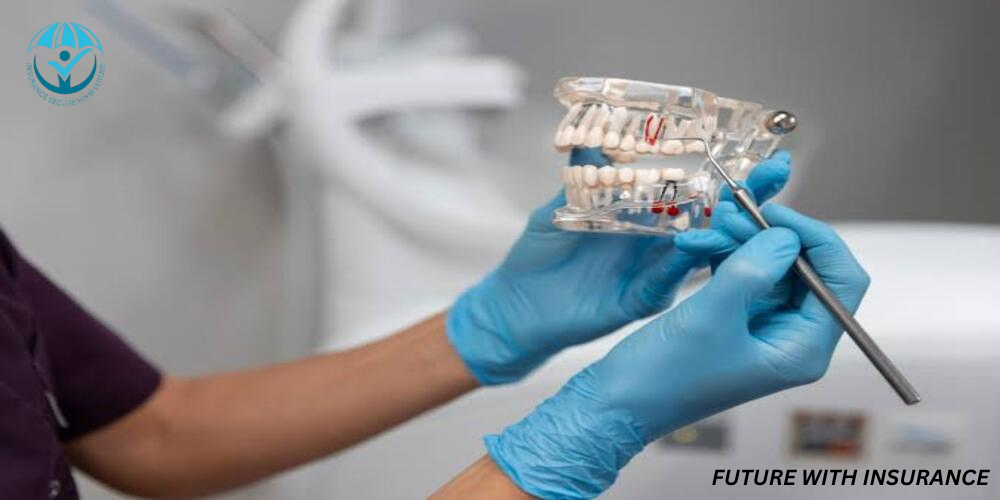
Before you even get a crown, you must pay for a check up. This is a hidden part of how much is a crown without insurance. Most dentists charge between $100 and $250 for a comprehensive exam. During this visit, the dentist uses specialized tools to probe the gum tissue and check the stability of the underlying bone structure.
The Role of X Rays and 3D Imaging
Digital imaging is necessary to see what is happening under the gumline. These X rays are usually billed separately from the restorative work. When budgeting for how much is a crown without insurance, always add $50 to $150 for the diagnostic images. In complex cases, a 3D Cone Beam scan might be required, which can cost upwards of $300 but provides a blueprint of your entire jaw.
What is a Core Build up and Why is it Needed?
A core buildup is when the dentist uses filling material to rebuild the tooth before putting the crown on. This is an essential step if the tooth is badly broken or has a large existing filling. This procedure adds about $300 to $500 to the total of how much is a crown without insurance. Without a solid core, the crown would have nothing to hold onto and would likely fall off within a few months.
The Root Canal Multiplier Factor
Sometimes a crown is not enough; you might need a root canal to fix a deep infection. This separate procedure can cost $1,200 on its own. If you need both, the total for how much is a crown without insurance can jump significantly. It is common for a tooth that needs a crown to have a damaged nerve, so always prepare your budget for the possibility of endodontic treatment.
The Influence of Local Market Rates
Dental prices are tied to the local economy. In high rent areas like New York City or London, the answer to how much is a crown without insurance will be much higher than in a rural village. Competition also plays a role; if there are many dentists in your area, you might find more competitive pricing as clinics fight for your business.
The Cost Difference of Specialists
A Prosthodontist is a specialist who focuses on tooth replacement. Because they have three years of extra surgical and restorative training, they charge more than a general dentist. If you choose a specialist, you should expect the cost of a crown to be 30% higher without insurance, but the result is often a more durable and anatomically correct crown.
Laboratory Fees and Grade of Materials
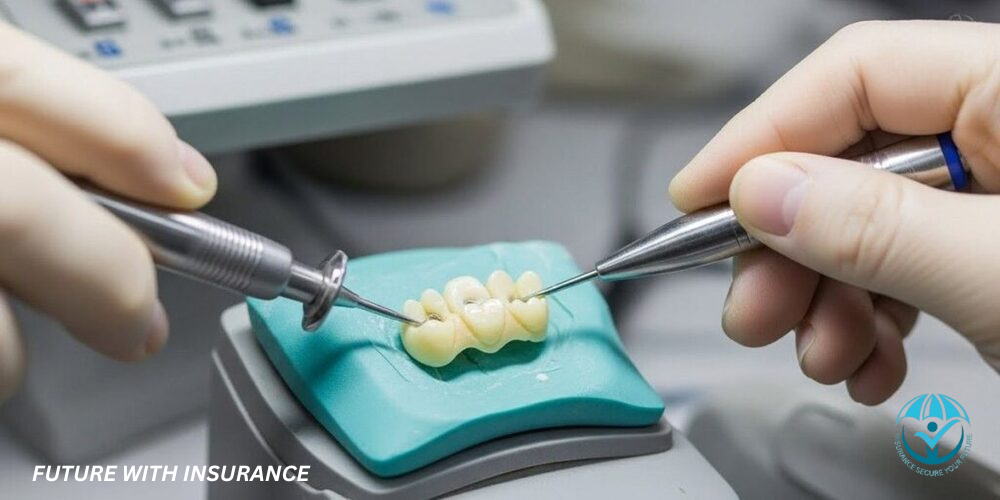
A huge part of the cost goes to the dental lab. High quality labs use expert technicians who hand stain each tooth to match your surrounding smile. If your dentist uses a top tier lab, it will increase how much is a crown without insurance, but it ensures the crown doesn’t look like a chiclet or a piece of white plastic in your mouth.
The Convenience of Same Day CEREC Crowns
CEREC technology allows for a crown to be made in one visit. While it saves time, the equipment is expensive. This usually keeps the price of how much is a crown without insurance at a premium level, often around $1,500. Same day crowns are carved from a single block of ceramic, which is very strong but lacks the layered color depth of a hand made lab crown.
Value Over Time: A 20 Year Perspective
Don’t just look at the upfront price. A cheap resin crown that lasts 5 years is more expensive than a quality zirconia crown that lasts 20. When you calculate how much is a crown without insurance over the life of the tooth, the better material is actually the more affordable choice. Think of it as a cost per year rather than a one time expense.
How Dental Schools Lower the Barrier to Entry
If you are on a tight budget, dental schools offer a great alternative. Students work under the strict supervision of expert professors. Here, the total for how much is a crown without insurance might be as low as $600 to $800. The trade off is that the appointments are much longer, as the professor must check and approve every single step.
The Power of Dental Discount Plans
Dental discount plans are membership clubs where you are given a 20% to 50% discount at participating dentists. For people without insurance, this is the most effective way to lower how much is a crown without insurance immediately. There are no annual caps or deductibles to worry about, making them ideal for major restorative work.
Negotiating Cash and Upfront Discounts
Many dentists hate dealing with credit card processing fees and the paperwork of billing. If you offer to pay in cash, they might give you a 10% discount. This is an easy way to reduce the impact of how much is a crown without insurance on your wallet. Always ask What is your best cash price? before signing the treatment plan.
The Hidden Risk of Dental Procrastination
If you wait to get a crown, the tooth could split down the middle. If it splits, the tooth must be extracted and replaced with an implant. An implant costs $5,000. Paying the cost of how much is a crown without insurance now is the best way to avoid a financial disaster that could cost you triple the amount in the future.
Using HSA and FSA for Restorative Work
Health Savings Accounts allow you to use tax free money for dental work. This is a smart way to manage how much is a crown without insurance. Because this money is taken out of your paycheck before taxes, it effectively reduces your bill by whatever your tax rate is (usually 20-30%).
How to Compare Dental Quotes Accurately
Always ask for a detailed breakdown. Make sure the quote for how much is a crown without insurance includes the exam, the buildup, and the crown itself. Some offices low ball their crown price but then charge double for the buildup, making their total more expensive than a competitor.
The Psychological Benefits of a Restored Smile
A dental crown is investment in your health and confidence. While how much is a crown without insurance may seem like a large sum the ability to eat comfortably and smile freely is worth every penny. You cannot put a price on the relief of knowing your tooth is safe and your smile is whole again.
10 Frequently Asked Questions (FAQ)
1. How much is a crown without insurance on average?
The current average in 2026 is between $1,300 and $1,600 per tooth for a quality porcelain or zirconia restoration.
2. Is zirconia better than porcelain for molars?
Yes, zirconia is significantly stronger and can handle the immense grinding force of your back teeth much better than porcelain.
3. Why do front teeth crowns cost more?
Front teeth require cosmetic grade porcelain and more time for the dentist to match the shape and color perfectly to your other teeth.
4. Can I pay for a crown in monthly installments?
Yes, most dentists partner with third party financing companies like Care Credit to offer 12 to 24 month payment plans.
5. Does a crown include a root canal?
No, these are separate clinical procedures. A root canal repairs the inside of the tooth and a crown repairs the outside.
6. How long does a crown procedure take?
A traditional crown takes two visits (two weeks apart). A CEREC crown takes about two to three hours in a single day.
7. Is it cheaper to pull the tooth?
Pulling a tooth is cheaper ($200), but the long term cost of a bridge or implant to fill that gap is much higher ($4,000+).
8. Do dental schools accept everyone?
Most do, but they prioritize patients whose dental needs match what the students are currently learning in their curriculum.
9. Will a crown fall off?
If the tooth is prepped correctly and high quality cement is used, a crown should stay in place for decades.
10. How can I lower the cost?
The best ways are using a dental discount plan, visiting a dental school, or asking for a cash discount from your local provider.