

Introduction to Insured Closing Letter
In the complex world of real estate transactions, thousands of dollars sometimes change hands in a matter of hours. With so much at stake, lenders and buyers need more than just a handshake to ensure that their funds are properly managed. This is where the (ICL), often called the Closing Protection Letter (CPL), becomes the most important document on the closing table.
The insured closing letter is not just a piece of paper. It is a financial safety net. It acts as a contract between the writer and the lender under title insurance, guaranteeing that the closing agent will handle the transaction with integrity and according to specific instructions. Without this letter, the time between the release of loan funds and the formal recording of the deed is a period of great risk.

What is an Insured Closing Letter (ICL)?
At its core, an Insured Closing Letter is a legal indemnity agreement. It is issued by a title insurance company (the underwriter) to a lender. The letter confirms that the under writer will take financial responsibility if the closing agent (the person or company physically conducting the meeting and moving the money) commits fraud, steals the funds, or fails to follow the lender’s written closing instructions.
While title insurance protects against past problems with the property’s history, the ICL protects against present problems occurring during the actual closing process. It ensures that the human element of the transaction the agent does not become a liability.
How Does an Insured Closing Letter Work?
The mechanism of an insured closing letter is straight forward but powerful. When a mortgage lender prepares to fund a loan, they do not send the money directly to the home seller. Instead, they send it to a third party closing agent or escrowee.
Because the lender is trusting a third party with a massive amount of capital, they require the title underwriter to back that agent. Once the underwriter issues the ICL, they are essentially saying, We trust this agent to handle your money. If they fail to follow your instructions or if they disappear with the cash, we will reimburse you for the loss. This creates a chain of trust that allows the global real estate market to function smoothly.
The Primary Benefits of an Insured Closing Letter
The benefits of an insured closing letter extend beyond simple insurance; they provide the structural integrity required for modern banking.
Direct Indemnification: If an agent makes a mistake, the lender doesn’t have to sue the agent (who might have no money left). Instead, they file a claim with the massive title underwriter.8
Fraud Mitigation: Real estate fraud is a multi billion dollar business. The ICL is the primary defense against escrow theft.
Lender Confidence: It allows banks to issue loans in different states and cities without needing to personally know every closing attorney or title agent involved.
Error Correction: If a closing agent forgets to pay off an existing lien as instructed, the ICL ensures the lender is not left with a secondary position on the title.
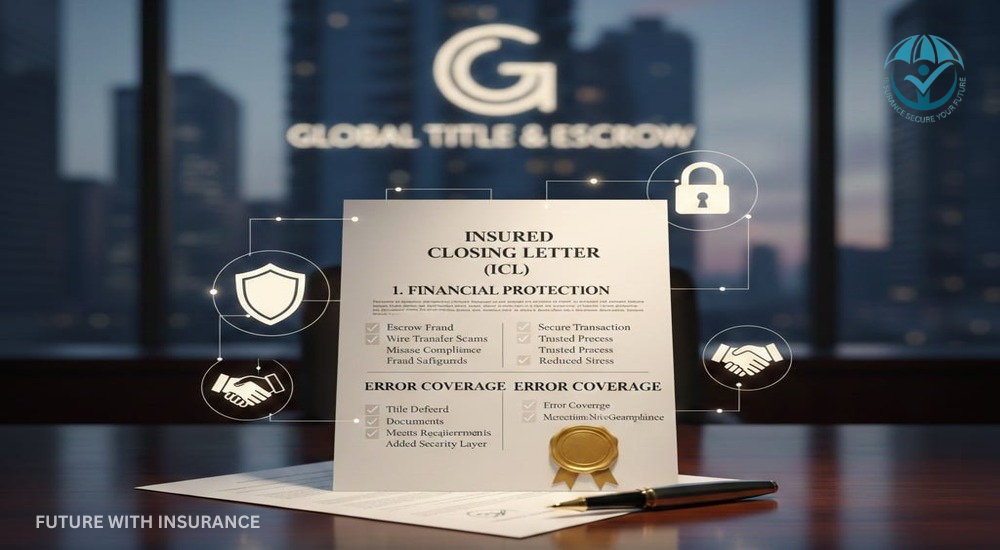
An ICL provides protection to the lender when the closing agent exceeds the limits of their
fiduciary liability insurance or demonstrates negligence.
Who is the Insured Closing Letter For?
While many parties are present at a real estate closing, the insured closing letter is primarily designed for the Lender. Most institutional lenders (like big banks or credit unions) will refuse to fund a mortgage unless a valid ICL is in the file.
However, in many jurisdictions, Buyers and Borrowers can also be named in the letter. For a home buyer, this is vital because their down payment and closing costs are also at risk. If the agent mishandles the buyer’s life savings during the escrow process, having an ICL that includes the borrower ensures they are not left homeless and penniless.
Why Is an Insured Closing Letter Absolutely Essential?
You might wonder: If I have Title Insurance, why do I need an ICL? This is a common point of confusion. Title insurance protects you from a hidden heir claiming they own your house five years from now.
However, title insurance does not protect you if the closing agent takes your $100,000 down payment and gambles it away the night before the closing. The insured closing letter is essential because it covers the Transit Risk the risk of the money moving from the bank to the seller. Without it, there is a massive legal vacuum where no one is responsible for the agent’s honesty.
What is Included in an ICL Coverage?
The coverage provided by an insured closing letter is specific and focused. It typically covers:
Theft or Misappropriation: If the agent steals the settlement funds.
Failure to Follow Instructions: If the lender says do not release the money until X is signed, and the agent releases it anyway.
Fraud and Forgery: If the agent forges a signature on a deed or mortgage.
Lack of Good Title: If the agent’s failure results in the lender not having a valid first lien on the property.
What is NOT Included in an ICL?
It is equally important to know the boundaries of an insured closing letter. It is not catch all insurance policy.
Market Conditions: It won’t help you if the house value drops the day after you buy it.
Physical Property Condition: If the roof leaks or the basement floods, the ICL offers no protection.
Mutual Mistakes: If both the lender and the agent make the same honest mistake that was not a violation of instructions.
Matters Outside of Closing: Issues that arise years later regarding the property’s usage or zoning.
Insured Closing Letter Fees and Costs
One of the best features of the insured closing letter is its affordability. In the context of a transaction costing hundreds of thousands of dollars, the ICL fee is almost negligible.
Standard Pricing: Usually ranges from $25 to $50.
State Variations: In some states, the fee is set by the Department of Insurance, while in other, it is a flat administrative fee.
Payment Responsibility: Usually, the borrower (buyer) pays this fee as part of their closing costs, though it is some times covered by the lender or even the seller depending on the contract negotiation.

The Legal Strength of the ICL in Real Estate
Legally, the insured closing letter is a contract of indemnity. This means it is designed to make the party whole. If the loss is $50,000, the underwriter pays $50,000. It is a highly regulated document, and its language is often standard ized by the American Land Title Association (ALTA). This standard ization ensures that whether you are in California, Florida, and New York, the protection you receive remains consistent and reliable.
Summary and Final Thoughts
In the modern real estate landscape the insured closing letter is the unsung hero of the transaction. It provides the necessary bridge of security that allows lenders to send funds with confidence and allows buyers to trust that their money is in safe hands.
While it is a small fee on a long closing statement, its value is immeasurable if something goes wrong. Always ensure that an ICL is present in your closing package to ensure that your path to home ownership is protected from the start of the meeting to the recording of the deed.
Quick Comparison Table: ICL At a Glance
Features Description
Primary Goal Protects against agent fraud or negligence.
Issuer Title Insurance Underwriter.
Main Beneficiary The Lender (and often the Buyer).
Average Cost $25 $50
Mandatory? Almost always required by mortgage lenders.
Quick FAQs: Insured Closing Letter (ICL)
What is an ICL in simple terms?
An insured closing letter is basically a backup plan. It’s a legal promise from a title insurance company that your money won’t be stolen or mishandled by the agent closing your deal.
Why do banks demand this letter?
Banks are sending huge amounts of cash to someone they don’t personally know. They want the insured closing letter so that if that agent disappears with the money, the title company pays the bank back.
Is it different from title insurance?
Yes. Title insurance covers the property’s history (like old liens). The(ICL) covers the now specifically the safety of your money during the actual closing day.
Does a homebuyer get any protection?
Usually, yes. While it’s for the bank, buyers are often named in the insured closing letter. This keeps your down payment safe from agent fraud.
What does this document cost?
It’s very cheap, usually between $25 and $50. It is likely the least expensive insurance you will ever buy for such a big transaction.
Who pays the fee at closing?
Most of the time, the buyer pays. However, depending on your state’s specific laws, some times the lender or seller might handle the cost of the insured closing letter.
What specific risks does it cover?
It covers the nightmare scenarios: the agent stealing escrow funds, forging signatures, or totally ignoring the lender’s instructions on where the money should go.
What is left out of the coverage?
It won’t help with a leaky roof or if the house value drops. It only covers the honesty and mistakes of the closing agent regarding your funds.
Can I just skip getting one?
If you have a mortgage, no. Lenders won’t fund your loan without a valid insured closing letter. It’s a non negotiable part of their security process.
When does the coverage actually end?
It’s short term. The protection stops once the money is successfully paid out and the new deed is officially recorded at the local courthouse.