

Introduction to Greenhouse Insurance
Growing plants under glass or plastic is a high stakes business. Unlike traditional farming, a greenhouse environment is a controlled ecosystem that is incredibly sensitive. Greenhouse insurance is not just a luxury; it is the safety net that catches you when nature or equipment failure strikes. If you have spent years building your nursery, a single heavy hailstorm should not be allowed to shatter your dreams.
Why Simply Insuring a Greenhouse is a Smart Move
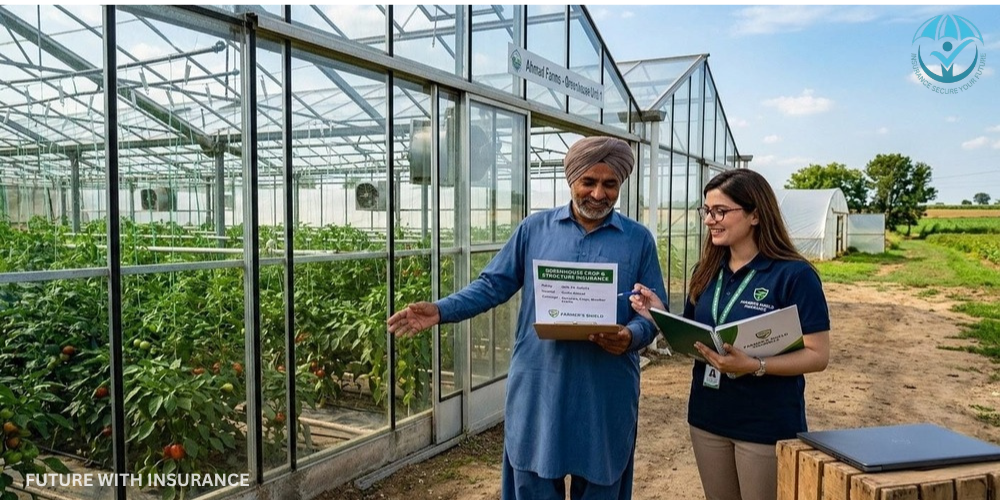
Many new growers assume their standard farm or home policy will cover their structures. This is a dangerous mistake. Insuring greenhouse setups requires a specialized touch because the materials whether glass, polycarbonate, or film face risks that a brick and mortar building simply does not. From heavy snow loads to high velocity winds, your structure needs a policy that understands its fragility.
The Importance of Commercial Greenhouse Insurance
When you transition from a hobby to a profit making venture, your risks change. Commercial greenhouse insurance is designed to protect not just the physical building, but your bottom line. If a storm rips through your roof and ruins your climate control, this insurance can help cover the income you lose while the repairs are being made. It is about keeping your business alive, even when the plants are at risk.
Building a Foundation with Greenhouse Business Insurance
Every entrepreneur knows that liability is every where. Greenhouse business insurance acts as a comprehensive shield. It combines property damage protection with general liability. Whether it is a fire started by a faulty heater or a visitor tripping over a hose, having this coverage ensures that a single accident won’t lead to a total financial collapse of your company.
Specialized Support for Greenhouse Growers Insurance
The needs of a tomato farmer are different from those of a rose grower. Greenhouse growers insurance focuses on the specific biological risks of the industry. This includes “Crop Stress” or “Infestation” coverage in some cases. It recognizes that in this business, your inventory is breathing and alive, making it much more vulnerable than a warehouse full of dry goods.
Why Greenhouse Nursery Insurance is Different
Nurseries often deal with a high turnover of plants and various stages of growth. Greenhouse nursery insurance is flexible. It understands that you might have thousands of seedlings one month and almost nothing the next. This type of policy adjusts to the seasonal fluctuations of your stock, ensuring you are not overpaying when the benches are empty or under insured when they are full.
The New Frontier: Marijuana Greenhouse Insurance
With the rise of the legal cannabis market, insurance has had to evolve. Marijuana greenhouse insurance is a highly specialized field. Because the street value of the crop is so high, theft and security are major concerns. These policies often require specific security measures to be in place but provide peace of mind that a high value harvest is protected from seed to sale.
Staying Safe with Greenhouse Liability Insurance
In any retail or wholesale environment, people are coming and going. Greenhouse liability insurance is your defense against lawsuits. If a customer has an allergic reaction to a fertilizer you used, or if a delivery driver slips on a slick walkway, the legal costs can be astronomical. A solid liability policy handles the lawyers and the settlements so you can stay focused on your crops.

Caring for Your Team: Greenhouse Workmens Comp Insurance
Your staff works in humid, often slippery conditions, handling heavy equipment and glass. Greenhouse workmens comp insurance is essential for any responsible employer. If an employee cuts themselves or develops a repetitive motion injury, this insurance covers their medical bills and a portion of their lost wages. It is the right way to protect the people who make your business grow.
Breaking Down Greenhouse Insurance Coverage
When you look at your policy, you’ll see various types of greenhouse insurance coverage. Mechanical Breakdown is one of the most important. If your automated ventilation or heating fails in the middle of a winter night, your entire crop could be dead by morning. This specific coverage helps you recover the value of those lost plants and the cost of fixing the equipment.
What Determines Greenhouse Business Insurance Cost?
Every grower wants to know the bottom line. The greenhouse business insurance cost is not a flat rate. It is calculated based on your “Risk Profile.” If you use open flame heaters, your price might be higher. If you have a modern, fire resistant structure with an integrated sprinkler system, you’ll likely see much lower premiums. Location is also a massive factor in the final price.
Regional Challenges: Texas Greenhouse Insurance
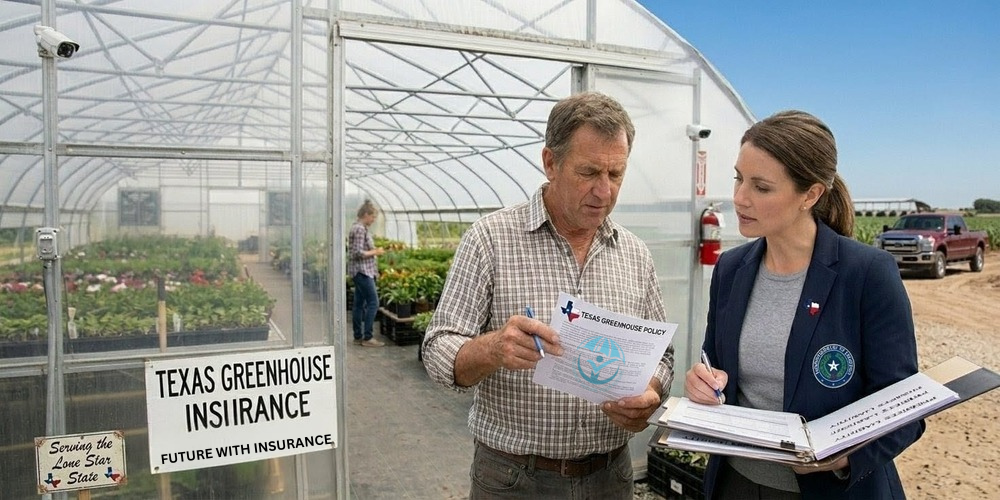
In the Lone Star State, weather is a major adversary. Texas (GH insurance) has to account for some of the most intense hailstorms in the country. Many Texas policies have specific “Wind and Hail” deductibles. Because the sun is so intense, these policies also sometimes cover the degradation of plastic coverings due to extreme UV exposure, which is a unique regional need.
Identifying Top Greenhouse Insurance Companies
Not all insurance providers are created equal. The best greenhouse insurance companies are those that have a dedicated “Agri Division.” You want a company that employs adjusters who actually know what a “boiler” is or how a “hydroponic rack” works. This industry knowledge makes the claims process much faster and much fairer for the grower.
How to Evaluate a (GH insurance) Company
Before signing a contract, look at the reputation of the greenhouse insurance company. Read reviews from other growers. Do they pay claims on time? Are they easy to reach during a natural disaster? A company that offers a “Loss Control” consultation where they help you spot risks before they happen is worth its weight in gold.
The Advantage of Greenhouse Insurance Brokers
Navigating the insurance world alone is tough. (GH insurance) brokers are your best allies. Unlike an agent who works for one company, a broker works for you. they can shop around to different (GH insurance) carriers to find the best deal. They understand the “fine print” and can explain exactly what is and is not covered in plain English.
Choosing Between Greenhouse Insurance Carriers
There are many greenhouse insurance carriers out there, and each has a different “appetite” for risk. Some love large, high tech glass houses, while others prefer smaller, hoop house style nurseries. By comparing multiple carriers, you can find a provider that is comfortable with your specific style of growing and offers the best rates for your niche.
Is a Greenhouse Insurance Program Right for You?
Sometimes, being part of a group is better. A (GH insurance) program is often sponsored by a state or national trade association. By pooling the risks of many growers together, these programs can offer lower rates and specialized “Endorsements” (add ons) that a general policy would not include. It is worth checking if your local grower’s association has one.
A Checklist for Buying Greenhouse Insurance
When you start the process of buying (GH insurance), be prepared. Have your square footage ready, know the age of your heaters, and have a list of your most valuable equipment. The more information you provide more accurate your quote will be. Do not forget to mention any safety certifications or security cameras you have installed.

Avoiding Common Pitfalls in Insurance Greenhouse Policies
One of the biggest traps in insurance greenhouse planning is forgetting about “Inflation Guard.” The cost of glass and steel has risen sharply recently. If your policy is five years old, the “Replacement Cost” might not be enough to actually rebuild your structure today. Always review your limits annually to make sure they match current construction prices.
Maintenance: Your Best Insurance Policy
The best way to keep your premiums low is to avoid claims. Regular maintenance checking for loose panels, servicing heaters, and clearing drainage shows greenhouse insurance companies that you are a responsible owner. A clean, well kept facility is much less likely to have a fire or a structural collapse, which keeps your insurance history clean.
What to Expect During the Claims Process
Do not panic if something bad happens. Immediately get in touch with your greenhouse insurance agents. Take hundreds of pictures from every angle. If you have to make emergency repairs to save your remaining plants, keep all of your receipts. The more paperwork you give the insurance company, the more likely they are to say “yes” to your claim.
What Will Happen in the Greenhouse Industry in the Future
The insurance industry is changing too as we move toward “Smart Greenhouses” that use AI and sensors. In future, greenhouse insurance may give discount to growers who use sensors to find leaks and drops in temperature early. Keeping up with these changes in technology might help you save money and protect your business more effectively.
Conclusion
Ultimately, greenhouse insurance is about getting a good night’s sleep. It is about being able to sleep soundly even when the wind is howling outside. You can protect your hard work from being ruined by one bad day by choosing the best (GH insurance) companies and working with experienced brokers. Protect your legacy, your plants and keep growing.
Quick FAQs:
1.Does a standard policy cover my greenhouse?
No, most standard farm policies exclude glass structures. You need a specific greenhouse insurance policy and a special add on to cover fragile materials like glass and poly film against storms.
2. How much does greenhouse business insurance cost?
The greenhouse business insurance cost depends on your structure’s age, heating type, and location. Modern, fire resistant greenhouses generally get lower rates than older wooden ones.
3. Are my plants covered during a power outage?
Yes, but only if you have “Mechanical Breakdown” coverage. This ensures that if your climate control fails and crops die, your greenhouse insurance coverage pays for the lost inventory.
4. Why is Texas greenhouse insurance unique?
Texas (GH insurance) often carries specific deductibles for hail and wind. Due to extreme weather, these policies focus heavily on protecting the exterior glass from storm damage.
5. What is greenhouse liability insurance?
Greenhouse liability insurance covers you if a visitor gets hurt on your property. It pays for their medical bills and your legal fees if you are sued for an accident.
6. Is workmens comp required for greenhouse staff?
Yes. Greenhouse workmens comp insurance is usually a legal requirement if you have employees. It covers their medical costs and lost wages if they are injured while working.
7. Is marijuana (GH insurance) different?
Yes. Marijuana greenhouse insurance is a specialized niche because cannabis has a higher market value and higher theft risk compared to traditional flowers and vegetables.
8. Why should I use (GH insurance) brokers?
Greenhouse insurance brokers shop around for you. They compare different (GH insurance) carriers to find the best price and coverage saving you time and money.
9. What is Replacement Cost vs Cash Value?
“Replacement Cost” pays for a brand new structure at today’s prices. “Actual Cash Value” only pays what your old greenhouse was worth, which is usually much less after years of use.
10. How can I lower my insurance premiums?
Keep your structure well maintained, install backup generators, and add security cameras. Most greenhouse insurance companies give discounts to owners who actively reduce their risks.